
Pith · Planning library
Care, observation and records
After repair, keep the scope and photographs together. These guides focus on ordinary observation and useful records rather than do-it-yourself structural diagnosis or unverified maintenance treatments.
Brick repair & replacement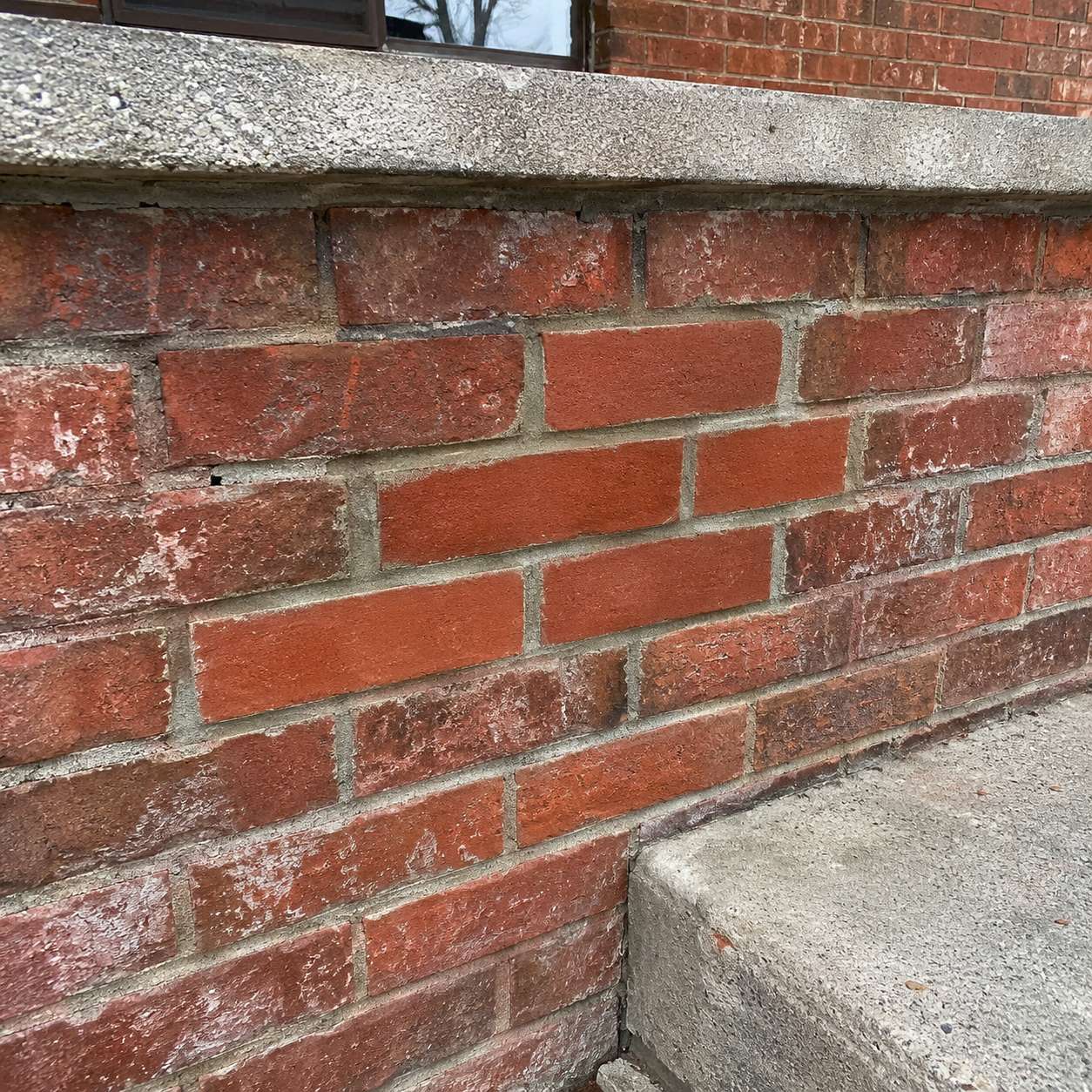
Recording a completed masonry repair
A repair record should show what was done and where. It helps future owners or contractors distinguish retained masonry from newer work.
Read the guideA seasonal brickwork observation checklist
Occasional observation can make changes easier to explain. It should stay at safe ground level and avoid touching loose or deteriorated masonry.
Read the guideQuestions before cleaning old brick
Cleaning can change the appearance and condition of masonry. The right method depends on the material, the staining and the wall’s condition.
Read the guidePainted or sealed brickwork before repair
A coating can conceal the original masonry and complicate matching. Record what is known about it before assuming the wall needs another coat.
Read the guideKeeping a masonry observation log
A useful log is short, dated and consistent. Its purpose is to help communicate visible changes, not to turn the homeowner into a structural assessor.
Read the guideWhat a masonry sample can clarify
A physical sample may help a professional understand material and matching questions. Sampling should be planned so it does not unnecessarily damage the wall.
Read the guideMake a more informed plan
Understand your repair.
Explore the decisions that shape your brick repair, from the first observations to the final details.