
Pith · Planning library
Choose a repair scope
The right scope depends on the wall and the reason work is needed. Compare repair boundaries, material decisions and assessment needs before reducing the conversation to a price per brick.
Mortar joint repointing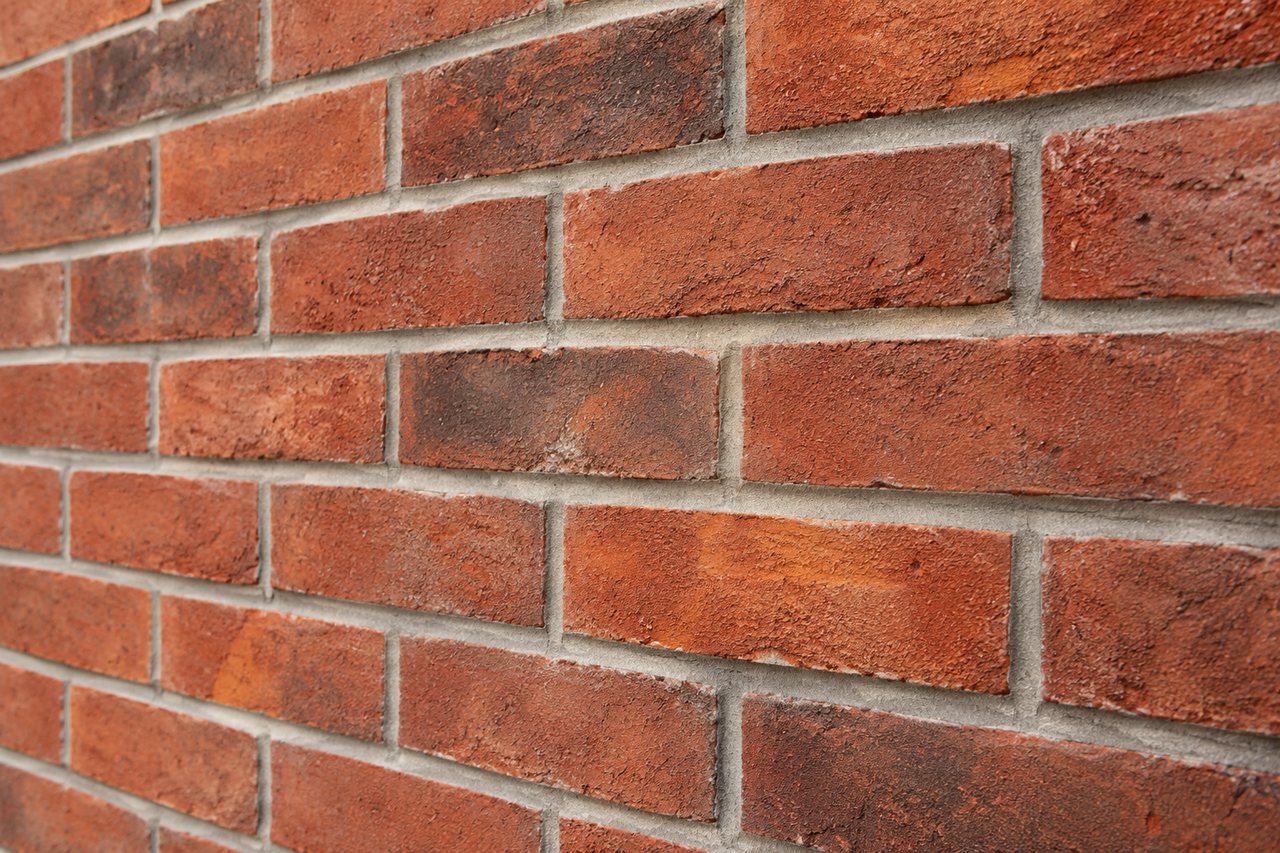
Repointing or replacing damaged bricks
Repointing addresses mortar joints; replacing units addresses the bricks themselves. A wall can need both, so one label may not describe the complete repair.
Read the guideLocalised repair or wider repointing
A small visible defect may justify a limited scope, while a repeated joint condition can require a broader discussion. The boundary should follow assessment, not a convenient rectangle.
Read the guideMortar joint profiles and repair appearance
Joint shape changes the shadows across brickwork. Even a similar mortar colour can look different if the repair has a different profile from the surrounding wall.
Read the guideQuestions about mortar compatibility
Mortar selection is a material decision, not simply a colour choice. The proposed mix needs to be considered alongside the existing masonry and the repair method.
Read the guideMatching replacement brick colour and size
Brick matching involves dimensions, texture and variation as well as the dominant colour. A single loose brick can look different when installed within a larger wall.
Read the guideWhat an on-site masonry assessment adds
Photographs help show a condition, but they cannot establish everything about access, material condition or concealed construction. An assessment should clarify what can be confirmed and what remains uncertain.
Read the guideCosmetic patching versus investigating damage
A repair can improve appearance without resolving the condition that caused the damage. Clarify which outcome the proposed work is intended to deliver.
Read the guideMake a more informed plan
Understand your repair.
Explore the decisions that shape your brick repair, from the first observations to the final details.