
Pith · Planning library
Prepare a useful repair brief
A clear brief makes the first conversation more productive. Focus on the location, visible condition, history and access, then compare written scopes rather than relying on a vague repair description.
Mortar joint repointing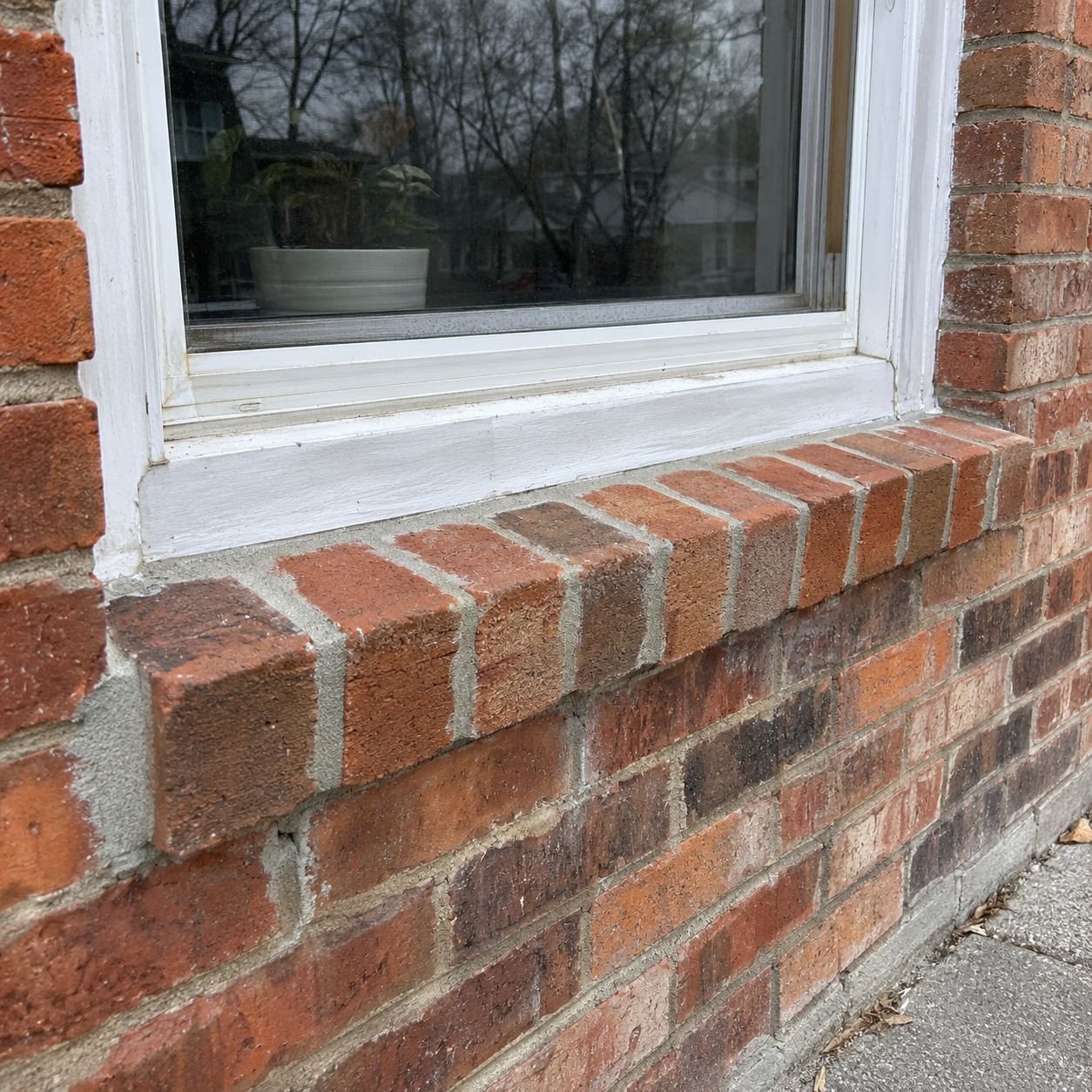
Taking useful brick repair photographs
Start wide, then move closer only where it is safe. The surrounding wall gives meaning to the detail and helps show access requirements.
Read the guideWriting a masonry damage history
A short timeline can be more useful than a guess about the cause. Include what you saw, when you saw it and what work happened nearby.
Read the guideWhat drives a brick repair estimate
The number of damaged bricks is only part of a repair price. Access, preparation, material matching and the surrounding conditions can change the work substantially.
Read the guideComparing written masonry repair scopes
A clear scope describes what will be repaired, how the boundary is defined and what is excluded. This makes quotations easier to compare.
Read the guidePreparing access for a masonry assessment
The assessor needs to see the area and understand how work could reach it. Preparation should improve safe access without disturbing the damaged wall.
Read the guideWeather and brick repair scheduling
Exterior repair scheduling depends on the proposed materials, conditions and access. A fixed calendar date should not override the requirements of the actual repair system.
Read the guideQuestions about heritage masonry in Toronto
Older masonry may need a conservation approach and property-specific approvals. Establish the property’s status before choosing aggressive cleaning or broad replacement.
Read the guideMake a more informed plan
Understand your repair.
Explore the decisions that shape your brick repair, from the first observations to the final details.